
How to save money on rental car full tank returns?
Date Created:2025/07/04
Last Updated:2026/02/22
Especially the term "full tank return" can cause some vague anxiety.
This article aims to resolve your questions and anxieties about rental car fuel, providing you with the knowledge to use a rental car confidently and without incurring extra costs.What You'll Learn in This Article
・How to avoid losing money on rental car full tank returns? ・Solving "frequently asked questions" about full tank returns! ・Small changes make a big difference! Life hacks to save money ・Sapporo RENTA LEASE is safe, secure, and helps with fuel costsHow to Avoid Losing Money on Rental Car Full Tank Returns?
Why Not Knowing About "Full Tank Return" Can Cost You
The "full tank return" for fuel is required when returning a rental car. If you take this rule lightly, thinking "a little bit is fine" or "it's the same if I just pay for what I used without filling it up," you could end up losing a lot of money. This is because most rental car companies typically charge a higher fee for fuel if you return the car without a full tank, compared to what you would pay at a gas station yourself. To avoid regretting "I didn't know that rule..." upon return, learn the correct knowledge about full tank returns in this article.Starting with the Basics! How "Full Tank Return" Works and Its Rules
When renting a car, you'll often be told, "We provide the car with a full tank of gas, so please return it with a full tank as well." This is the basic rule for "full tank return."Why is "Full Tank Return" the Principle?
This rule primarily exists for the following reasons: ・Ensuring Fairness: To standardize fuel levels so all users can rent under the same conditions. If fuel levels vary with each use, the next renter might feel it's unfair. ・Trouble Prevention: To avoid disputes over fuel levels upon return. Establishing a clear standard prevents misunderstandings between the user and the rental car company. ・Improved Convenience: Allows the next user to start driving immediately with a full tank, leading to smoother rentals.What is the "Full Tank" Standard?
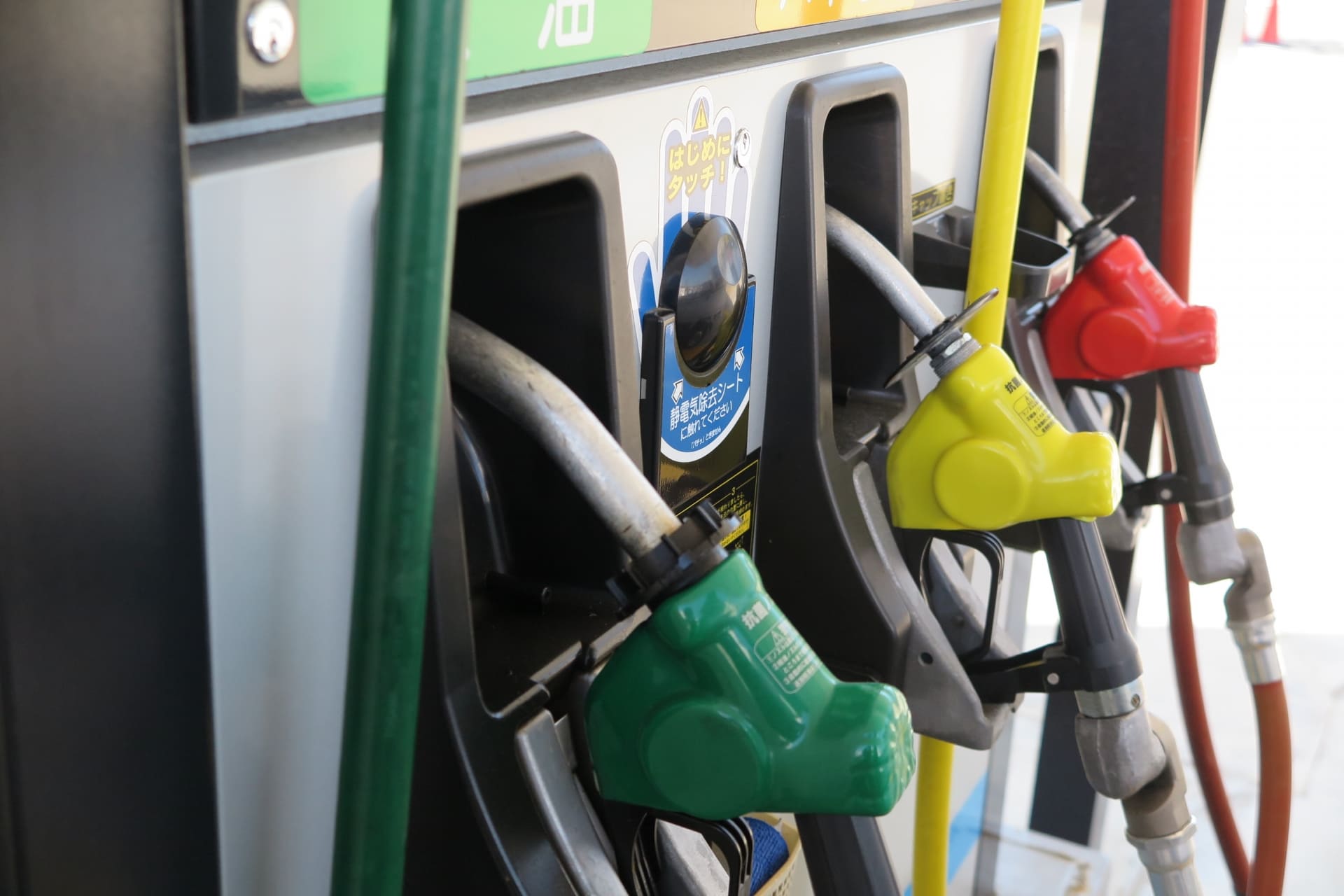
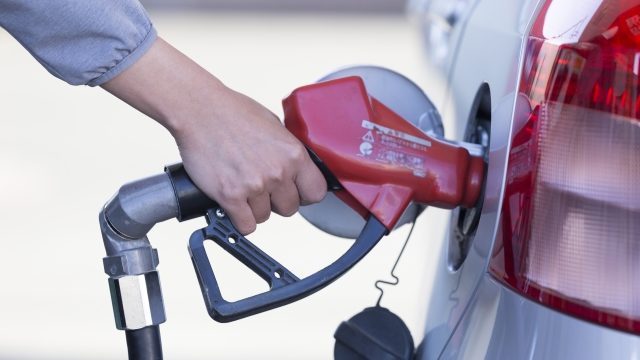
When refueling at a self-service gas station, the automatic shut-off of the pump serves as the guideline. Insert the nozzle fully, and when the pump automatically stops, the tank is considered "full." There's no need to force additional fuel in.If using a full-service gas station, simply tell the attendant, "Please fill it up."
When and Where is Best to Refuel?
It's best to refuel just before the return time, at a gas station close to the rental car company's branch.
This allows you to return the car with a full tank without unnecessary driving. Especially in rural areas, gas stations might close early or be scarce, so it's reassuring to check the locations and operating hours of gas stations near the branch in advance. Also, fuel types (regular, high-octane, diesel) vary by vehicle, so always confirm before refueling.Solving "Frequently Asked Questions" About Full Tank Returns!
Q. I was charged a high fee for not returning with a full tank! What should I have done?
Generally, rental car companies handle fuel as follows:| Method | Cost | Effort | Notes |
|---|---|---|---|
| Self-service full tank return | ◎ Cheapest | △ Most effort | Most standard. Finding a station is the main hurdle. |
| Return without refueling | ✕ Not recommended | 〇 No effort | Goes against the rules, so not recommended. |
| No full tank return option | 〇 Slightly more expensive | ◎ Peace of mind & no effort | Limited rental car companies offer this. |
Q. What is the estimated fuel cost?
The estimated fuel cost varies greatly depending on mileage, car fuel efficiency, and fuel price per liter, so it's impossible to give a single "amount."
For example, the required fuel amount and associated cost will differ between driving 100km in a fuel-efficient compact car and driving 300km in a less fuel-efficient large car. Before departure, estimate your mileage and check fuel efficiency information for each vehicle type on the rental car company's website to predict the approximate fuel cost.Q. I was asked to submit the refueling receipt! Is it really necessary?
Yes, always keep the refueling receipt. Some rental car companies may **require you to show the receipt** to prove a full tank return. Especially when refueling away from the rental car company's branch or using a self-service station, keeping the receipt is essential to prevent issues.Q. What if I don't know the fuel cap location or fuel type?
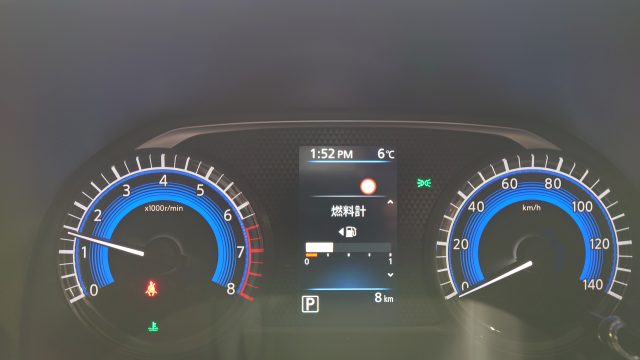
The fuel cap location and fuel type (regular, premium, diesel) for rental cars vary by vehicle model. The fuel cap location is often indicated by an arrow next to the fuel gauge icon on the driver's meter panel (if the arrow points right, the fuel cap is on the right side of the vehicle). The fuel type is usually written on the fuel cap, a tag attached to the car key, or on the inside of the driver's door. If you're unsure, ask the rental car staff or check before departure. Forcing it open or using the wrong fuel type can cause damage, so be careful.Q. What if the gas station is closed before return? (Night or early morning return)
If nearby gas stations are closed for night or early morning returns, contact the rental car company in advance for instructions. Be aware that gas stations tend to close earlier in rural areas.Small Changes, Big Savings! Life Hacks to Avoid Losses
Beyond understanding the full tank return rule, here are **advanced techniques to smartly save on gas costs**.1. Refuel sufficiently before exiting the highway, near your destination.
Gas stations at highway service and parking areas tend to have higher prices compared to those in urban areas.According to a survey released by Gogo Lab Co., Ltd. in April 2023, regular gasoline at service areas was ¥185, while gas stations near interchanges were ¥156.4, a difference of ¥28.6. If you fill 50 liters, that's a ¥1,430 difference. This amount is certainly not negligible. (Click here for Gogo Lab Co., Ltd.'s survey results)
Even if you need to refuel on the highway, aim to fill only enough to comfortably reach near your destination, then exit the highway and fill up completely at a cheaper gas station in the city.2. Use a 'refueling app' to find the cheapest station near the return location.
When renting a car in an unfamiliar area, it's difficult to know gas station prices near the return location in advance. That's where a **'refueling app'** comes in handy. With a smartphone refueling app, you can compare gas station prices around your current location or destination and easily find the cheapest one. Downloading the app and mastering its use beforehand can be helpful in a pinch.We recommend NAVITIME's official app, 'Drive Supporter'. It's convenient because it can display gas station prices within the car navigation system.
3. 'Slow and steady' for fuel efficiency? Route selection tips.
To save on gas, it's not just about shortening the distance, but also choosing a fuel-efficient route. Routes with heavy traffic or frequent starts and stops tend to **reduce fuel efficiency**. Even if it's a slightly longer route, choosing one with fewer traffic lights and smoother driving can ultimately reduce gasoline consumption. Google Maps also offers a **'fuel-efficient'** route setting, which can be useful.Sapporo Rent-a-Car: Safe, Secure, and Helps Save on Gas
Deepening your knowledge about rental car fuel is the first step to enjoying a safe and comfortable drive.Vehicle Fuel Efficiency: Another Option
While driving techniques and route selection help save on gas, it's also important to choose a vehicle with **excellent fuel efficiency** in the first place. Sapporo Rent-a-Car offers a wide range of vehicles tailored to your needs, including the latest fuel-efficient hybrid cars for long trips and nimble compact cars.The Value of 'Thorough Maintenance' to Prevent Unexpected Trouble
Even more important than gas costs is avoiding unexpected vehicle trouble during your trip. A car breakdown in an unfamiliar area can lead to immeasurable losses, both in time and money. At Sapporo Rent-a-Car, we conduct thorough inspections and maintenance on all vehicles so that customers can drive with peace of mind. This is our most important promise: to provide the best driving experience.Summary: No More Rental Car Fuel Worries!
 This article resolved questions about rental car **'full tank returns'** and explained specific ways to avoid losses. By understanding the full tank return rules and using a few tips, you no longer need to worry about gasoline.
Resolve your concerns about gasoline at return and enjoy your rental car trip with peace of mind. Drive safely and enjoy the best drive!
This article resolved questions about rental car **'full tank returns'** and explained specific ways to avoid losses. By understanding the full tank return rules and using a few tips, you no longer need to worry about gasoline.
Resolve your concerns about gasoline at return and enjoy your rental car trip with peace of mind. Drive safely and enjoy the best drive!

Ranking
- Yesterday
- Last Week
- Last Month